 Whalesbook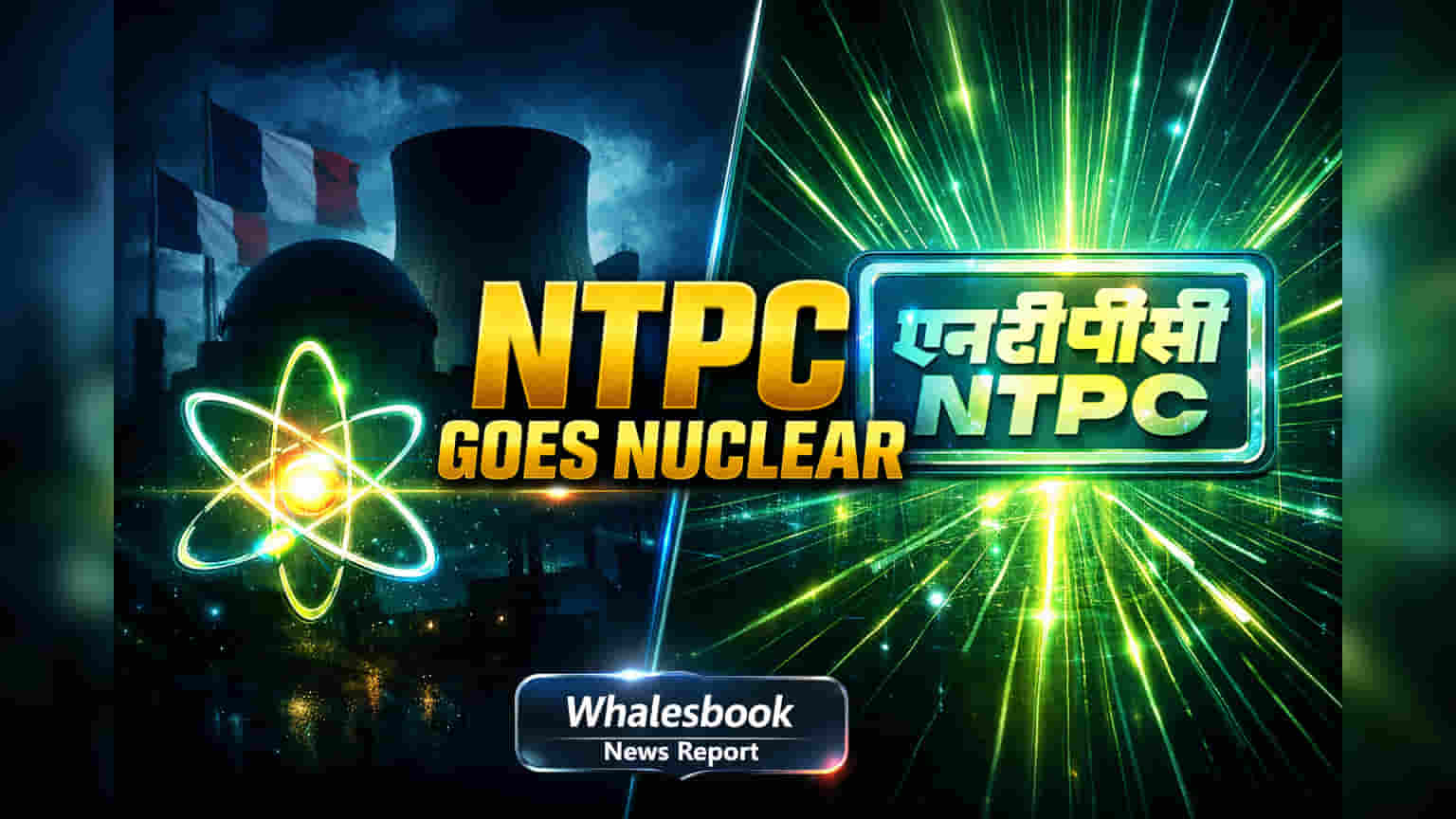


NTPC and EDF to Explore Nuclear Power Projects in India
NTPC Limited, India's largest power generator with an installed capacity of 89 GW and 32 GW under construction, is venturing into nuclear power exploration. The company has signed a non-binding Memorandum of Understanding (MoU) with France's Électricité de France (EDF) to investigate the development of new nuclear power projects within India.
NTPC and EDF Sign Deal to Explore Nuclear Power
NTPC Limited, India's largest integrated energy company, and France's Électricité de France (EDF) have signed a non-binding Memorandum of Understanding (MoU). The agreement, dated April 8, 2026, outlines their joint exploration into developing new nuclear power projects in India. This partnership intends to utilize EDF's deep experience and advanced technologies, including its EPR (Enhanced Power Reactor) system, for potential deployment in India.
Strategic Importance for India's Energy Future
The MoU aligns with NTPC's strategic vision to diversify its energy portfolio beyond its traditional thermal base and growing renewable energy focus. It underscores India's broader national agenda to bolster energy security and achieve ambitious decarbonization targets through a mix of cleaner energy sources, including nuclear power.
Context: India's Energy Goals and NTPC's Growth
NTPC, India's largest power generator, is transforming into an integrated energy player, significantly expanding its renewable energy capacity. The company targets 60 GW from renewables by 2032, contributing to a total planned capacity of 149 GW. India's national energy policy strongly supports nuclear power expansion, aiming for 40 GW by 2030. NTPC has previously expressed interest in nuclear energy to complement its clean energy initiatives.
Key Outcomes of the Partnership
NTPC is set to explore nuclear power generation as a new business segment. The partnership will assess EDF's EPR technology for Indian suitability. It also establishes a framework for evaluating localization, economic factors, and tariffs for nuclear projects, alongside investigating human resource development in the sector.
Potential Hurdles and Risks
Developing new nuclear projects faces scrutiny over technical and economic feasibility studies. Complex regulatory approvals and stringent safety standards in India present a significant pathway hurdle. Large, capital-intensive nuclear projects are prone to long gestation periods and execution challenges. Adapting EDF's EPR technology to India's infrastructure and regulatory landscape also requires careful attention.
Competitive Landscape
While NTPC's peers like Tata Power are also diversifying their energy portfolios, NTPC's direct exploration into nuclear power represents a notable step into a new frontier for major Indian utilities.
Looking Ahead: Next Steps
Key areas to monitor include the progress and findings from joint feasibility studies between NTPC and EDF, any potential site evaluations for project locations, and emerging details on localization strategies for nuclear components. Investors will also track the evolution from this non-binding MoU to potential binding agreements and project commitments, as well as any significant regulatory milestones concerning new nuclear projects in India.