 Whalesbook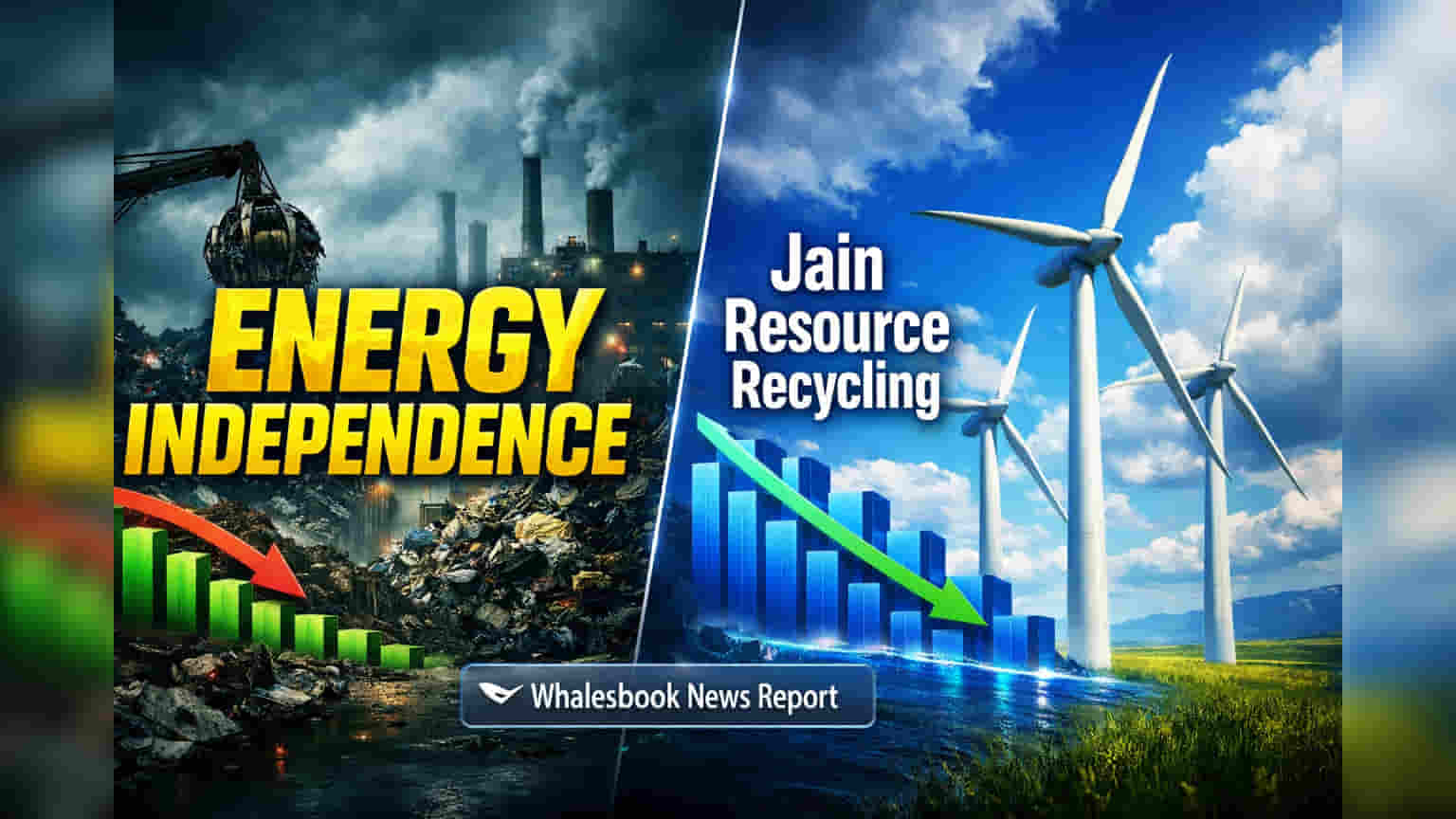


Board Approves Acquisition of Wind Power Stakes
Jain Resource Recycling Limited's board committee has approved the acquisition of a 26% equity stake in three special purpose vehicles (SPVs) dedicated to wind power generation. The target companies are Sea Sindu Green Energy Private Limited, Sri Kamakshi Wind Power Private Limited, and OM Sakthi Wind Power Private Limited.
The total cost for these acquisitions is ₹74,09,000, or ₹74.09 lakh. The investment is specifically allocated to secure the company's captive electricity needs, ensuring a stable and reliable energy source for its operations. The acquisition costs are broken down as follows: ₹26,000 for Sea Sindu Green Energy, ₹13,00,000 for Sri Kamakshi Wind Power, and ₹60,83,000 for OM Sakthi Wind Power. The board committee met on March 30, 2026, to sanction the transaction, with an expected completion deadline of March 31, 2026.
Strategic Move to Secure Energy Costs
This strategic investment allows Jain Resource Recycling to establish a dedicated, renewable source of electricity. For industrial operations, having stable and predictable energy costs is crucial for maintaining profitability and ensuring operational continuity. By investing in captive power generation, the company aims to mitigate risks associated with the volatility and availability of grid power.
This approach is a common strategy among Indian industries, particularly for energy-intensive businesses, as it provides greater control over a significant operating expense. Furthermore, it aligns with broader sustainability goals by utilizing renewable energy sources.
Jain Resource Recycling's Business Focus
Jain Resource Recycling Limited is primarily engaged in waste management and recycling, with a specific focus on e-waste management and the recycling of various scrap materials. The company operates within the environmental services sector, emphasizing sustainable resource management.
Across India's industrial landscape, companies are increasingly investing in captive renewable energy generation. This is driven by a desire to control operating costs, enhance sustainability, and achieve greater energy independence and cost predictability.
Key Impacts of the Acquisition
The acquisition is expected to yield several key benefits for Jain Resource Recycling. It will provide the company with greater predictability over its electricity expenses. Reduced dependence on external grids can also lead to more consistent operational uptime. This move further reinforces the company's commitment to utilizing renewable energy sources. Notably, the acquisition cost is relatively modest compared to the company's overall operational scale, indicating a targeted strategic investment.
Potential Challenges Ahead
The official filing did not detail specific risks associated with this transaction. The primary challenge will lie in the successful integration and operational efficiency of the acquired wind power assets, ensuring they reliably deliver the expected captive power supply.
Industry Context
While Jain Resource Recycling's core business lies in waste management and recycling, its peers, such as Antony Waste Handling Cell Ltd and EIFS Ltd, also grapple with significant energy costs. Many industrial companies across diverse sectors are exploring captive power solutions to manage operational expenses effectively. Jain Resource Recycling's current move is viewed as an internal operational enhancement rather than a diversification into a new business line, making direct peer comparisons on this specific transaction challenging.
Looking Ahead
Key developments to monitor include the successful closure of the 26% stake acquisition in the three wind power companies by the March 31, 2026 deadline. It will also be important to observe how these captive power assets are integrated into the company's operational framework. Tracking the actual impact on the company's energy expenditure and profitability in the coming fiscal year will be crucial. Furthermore, assessing whether this acquisition serves as a precursor to additional investments in renewable energy capacity will be of interest.