

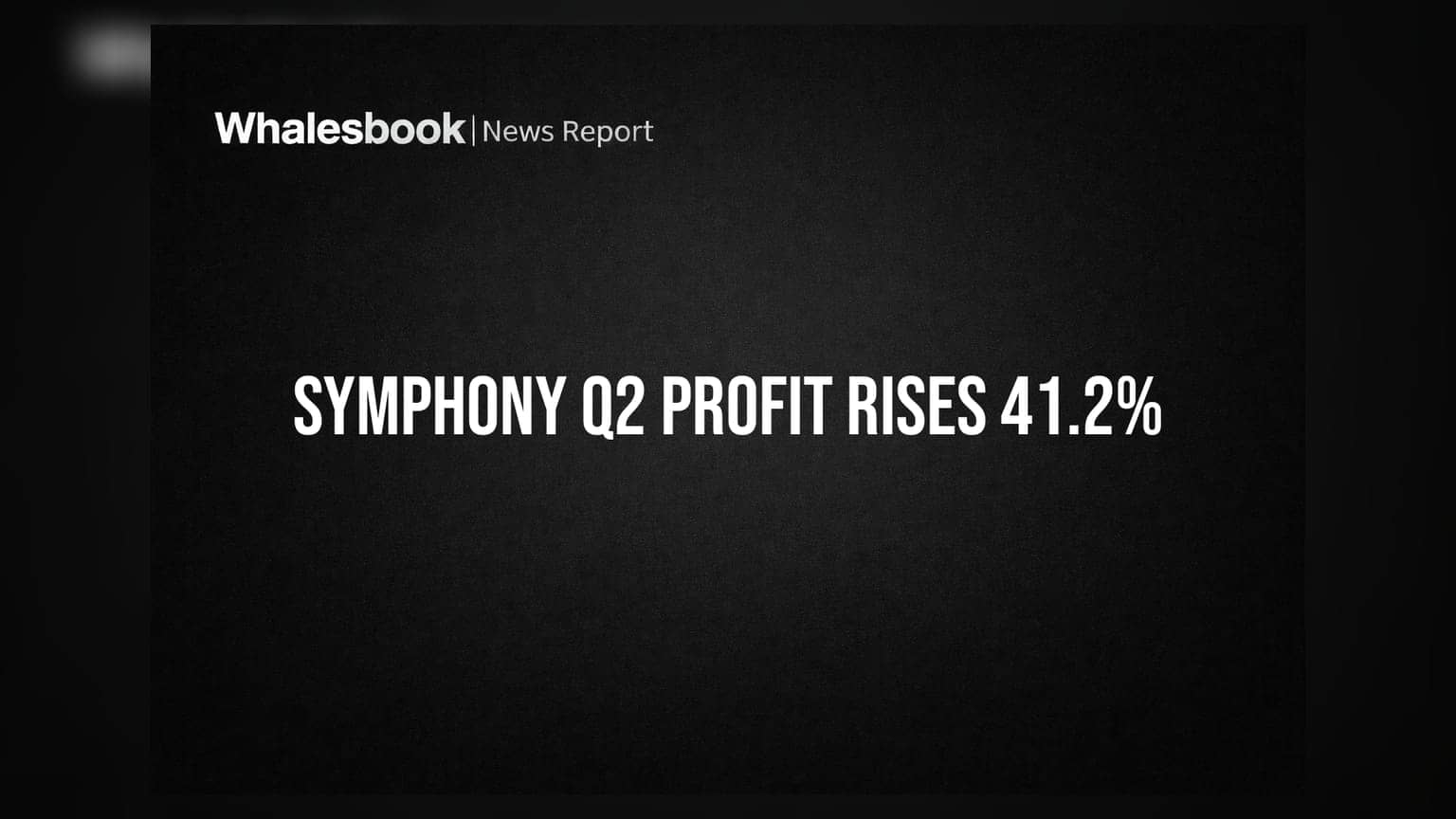
Symphony Ltd reported a strong second quarter for FY27, with revenue rising 30.9% to Rs 275 crore and profit after tax climbing 41.2% to Rs 24 crore. The board also declared a second interim dividend of Rs 2 per share, signaling robust cash flow for shareholders.
Symphony Ltd Posts Strong Growth in Q2 FY27
Revenue grew by 30.9% to Rs 275 crore, while profit after tax (PAT) rose 41.2% to Rs 24 crore.
Reader Takeaway: Strong top-line expansion drives profitability, though monitoring air cooling segment demand remains crucial for future growth.
What just happened
Symphony Ltd released its financial results for the quarter ended September 30, 2026. The company reported a significant uptick in both revenue and profit compared to the corresponding period last year. Simultaneously, the Board of Directors approved a second interim dividend of Rs 2 per equity share, carrying a face value of Rs 2 each. The total cash outflow for this dividend distribution is Rs 13.73 crore.
Why this matters
The double-digit growth in both revenue and profit indicates strong execution in the company's core air cooling and appliance segment. For retail investors, the announcement of a 100% interim dividend reflects confidence in the company’s ongoing liquidity and cash generation capabilities, reinforcing its commitment to shareholder returns.
Key Corporate Details
The dividend record date is fixed for November 4, 2026. The financial results have received an unmodified conclusion from statutory auditors B S R & Co. LLP, ensuring transparency in reporting for the quarter. The audit committee reviewed and the board subsequently approved these figures on October 29, 2026.
What to track next
Investors should look for management guidance regarding the sustainability of current demand levels in the air cooling segment. Performance in the upcoming quarters will likely depend on seasonal demand shifts and the company's ability to maintain these margins amidst fluctuating raw material costs.