 Whalesbook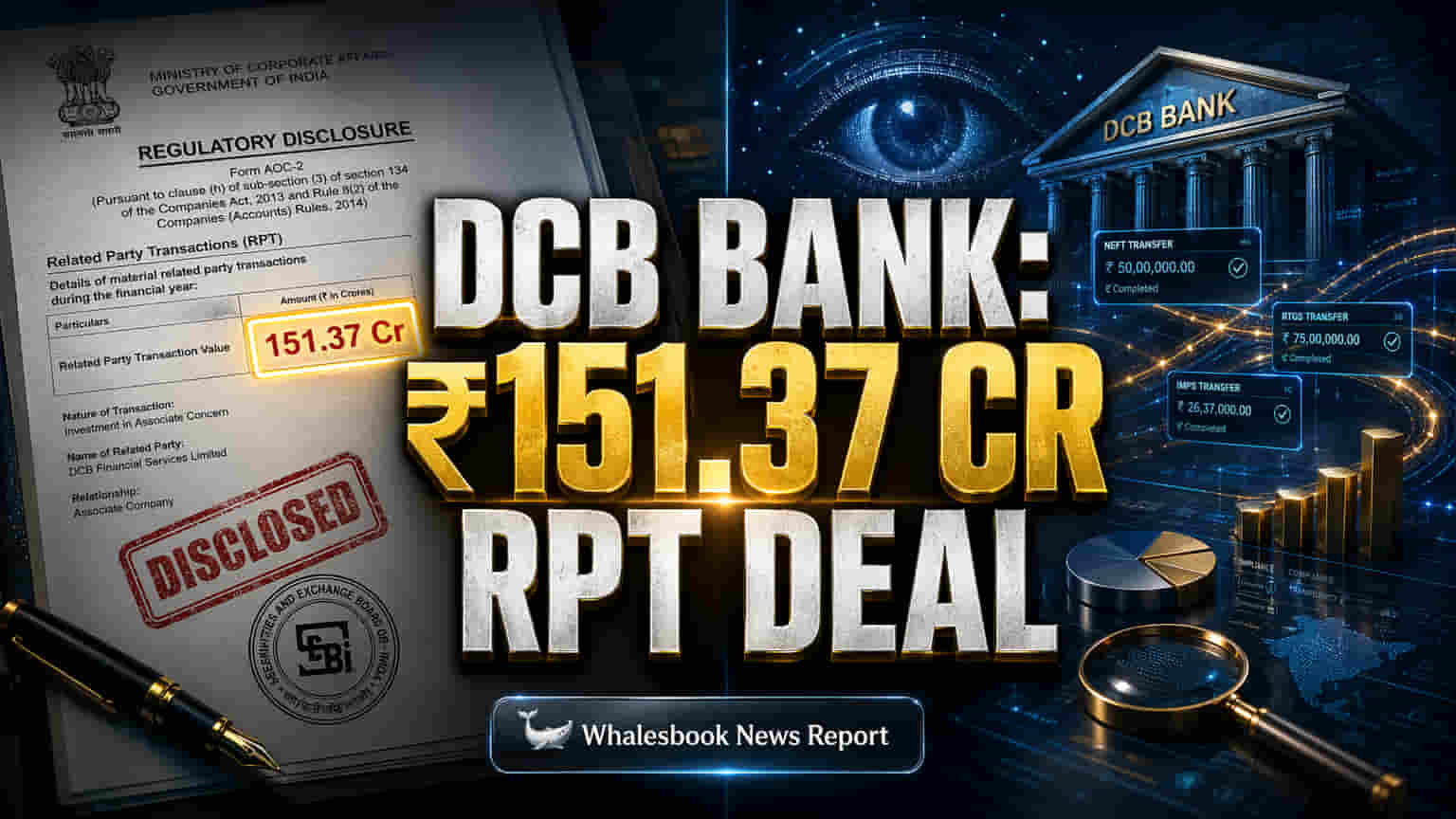


DCB Bank Reports Related Party Transactions for H2 FY26
DCB Bank has reported Related Party Transactions (RPTs) valued at ₹151.37 crore for the six months ending March 31, 2026. For context, the bank's Profit After Tax (PAT) for the previous quarter, Q3 FY26, was ₹185 crore.
Today's Filing: The RPT Disclosure
This submission follows SEBI regulations that require listed companies to publicly report transactions with affiliated parties to promote transparency. These regulations mandate listed entities to disclose RPTs to ensure good corporate governance.
Why Related Party Disclosures Matter
These transactions are vital for investors as they reveal dealings with management, directors, or related entities. Clear RPT disclosures help prevent conflicts of interest and ensure dealings are fair and at market value. Following SEBI rules on RPTs signals a company's dedication to strong governance.
DCB Bank's Regulatory Context
DCB Bank, a private sector lender, provides a range of banking services nationwide. It operates under close supervision from SEBI and the Reserve Bank of India (RBI). The bank has previously faced multiple regulatory penalties, including substantial fines from the RBI for issues such as interest rate rules, loans against gold, and service failures. These past actions underscore the ongoing need for strict compliance.
Impact for Shareholders
For shareholders, this RPT disclosure confirms DCB Bank's ongoing commitment to meeting its regulatory obligations. It demonstrates adherence to required timelines and filing procedures for mandatory disclosures.
Monitoring Compliance Risks
Although this RPT disclosure is a standard procedure, DCB Bank's history of regulatory fines—including those for interest rates and gold loans—reminds investors of the need for consistent adherence to rules. These past issues highlight the importance of the bank maintaining strong internal controls and proactive compliance to prevent future disruptions.
Industry Standards and Peers
DCB Bank competes with major private banks such as HDFC Bank, ICICI Bank, Kotak Mahindra Bank, and Axis Bank. All these institutions, including DCB Bank, are subject to similar SEBI regulations requiring related party transaction disclosures. Such reporting is standard industry practice, aimed at upholding market integrity and investor trust.
Looking Ahead: What to Watch
- Ongoing compliance with SEBI and RBI regulations, particularly timely disclosures.
- Any shifts in DCB Bank's RPT policies.
- The bank's overall financial health, including asset quality, in future quarters.
- Any new regulatory developments impacting DCB Bank or the banking sector.